




.webp)







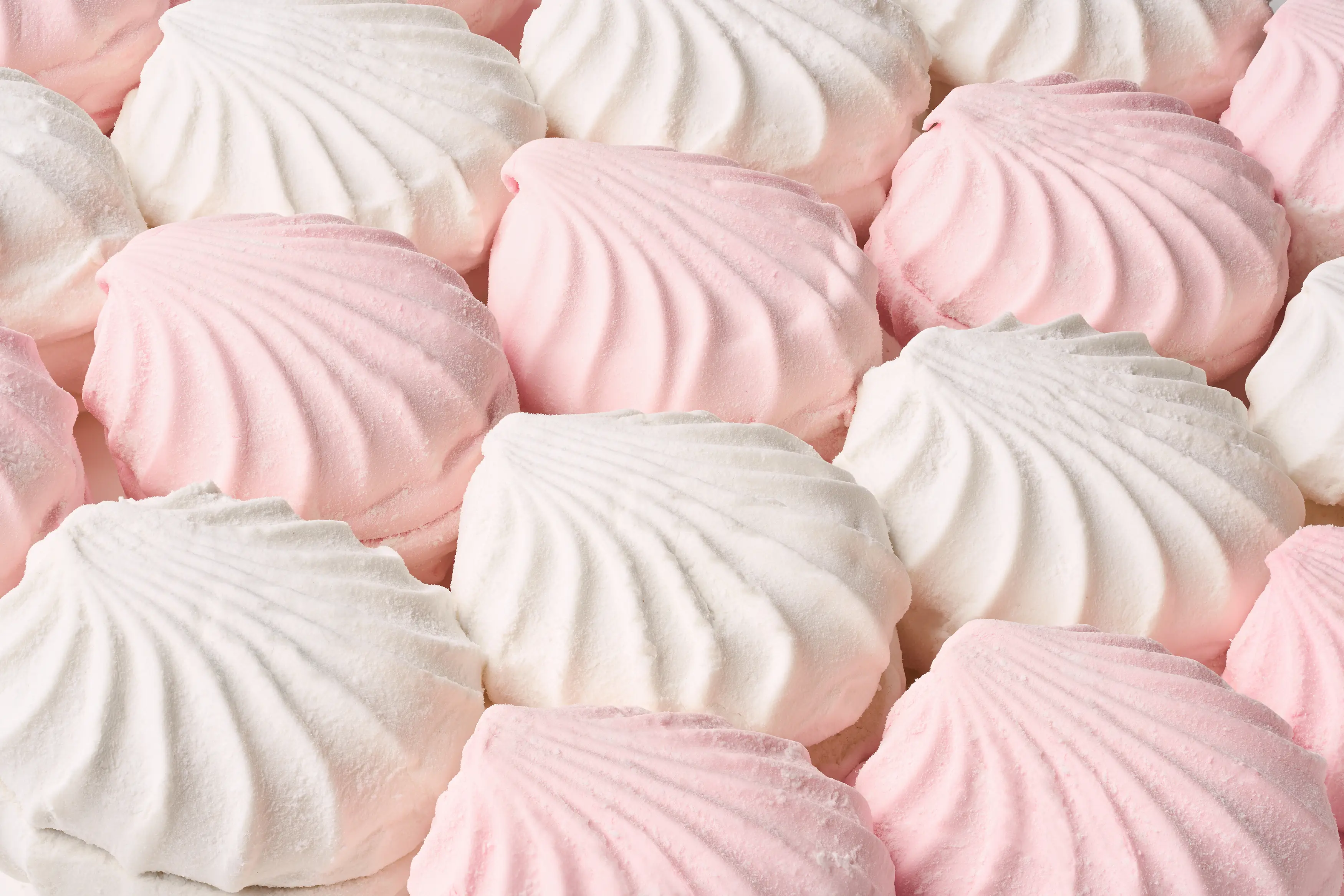

Marshmallow is not just a sweet — it’s a true airy miracle that melts in your mouth like a soft cloud. Its name comes from Zephyrus, the ancient Greek god of the west wind, symbolizing lightness and freshness. The tender taste and delightful aroma of this dessert have captured hearts for centuries. But did you know that marshmallow was once considered a medicine and was so expensive that only the elite could afford it? It wasn’t until the 20th century, with the development of industrial production, that it became accessible to everyone.
Marshmallow is one of the few sweets even approved by nutritionists. It contains no fats and is made from natural ingredients: apple purée, pectin, sugar, and egg whites. This makes it not only delicious but also a relatively light confectionery treat.
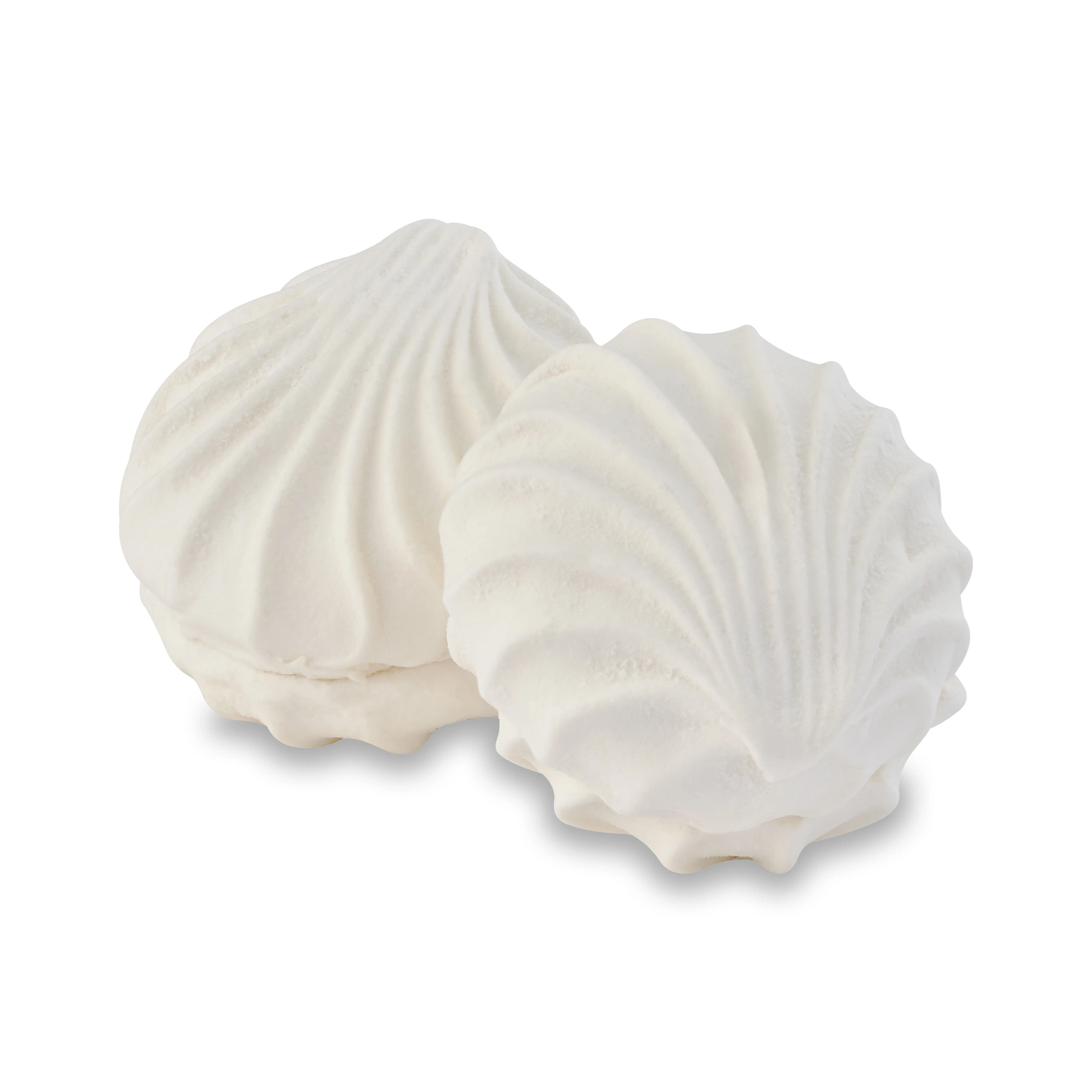
And have you ever wondered why marshmallows come in two halves? It’s not just a pretty design — it’s a technological necessity. During production, the bottom of the marshmallow remains sticky, so two halves are joined together to prevent sticking and to ensure even drying.
Marshmallow is a unique confectionery creation with no true analogues in the world.
It boasts a vast variety of flavors — vanilla, berry, fruit, chocolate. It’s not just a dessert; it’s a part of history and culture. Its light texture and refined taste have made it a favorite across generations, evoking warm memories of the sweetest and happiest moments.
