




.webp)







- Home
- Ingredients
-
Sugar

Three hundred years ago, an English aristocrat could afford no more than a single kilogram of sugar per year — that’s how precious it was.
Sugar has shaped the course of history and the development of civilization. The Indians were the first to learn how to extract sugar from sugarcane. Alexander the Great was so impressed by its properties that he called it “Indian salt.” In ancient times, sugar was known by many poetic names — “sweetness,” “honey made without bees,” “sweet salt,” “white gold” — but not yet as “sugar.”
In medieval Europe, sugar — along with the first candies — was considered a medicinal product and sold exclusively in pharmacies.


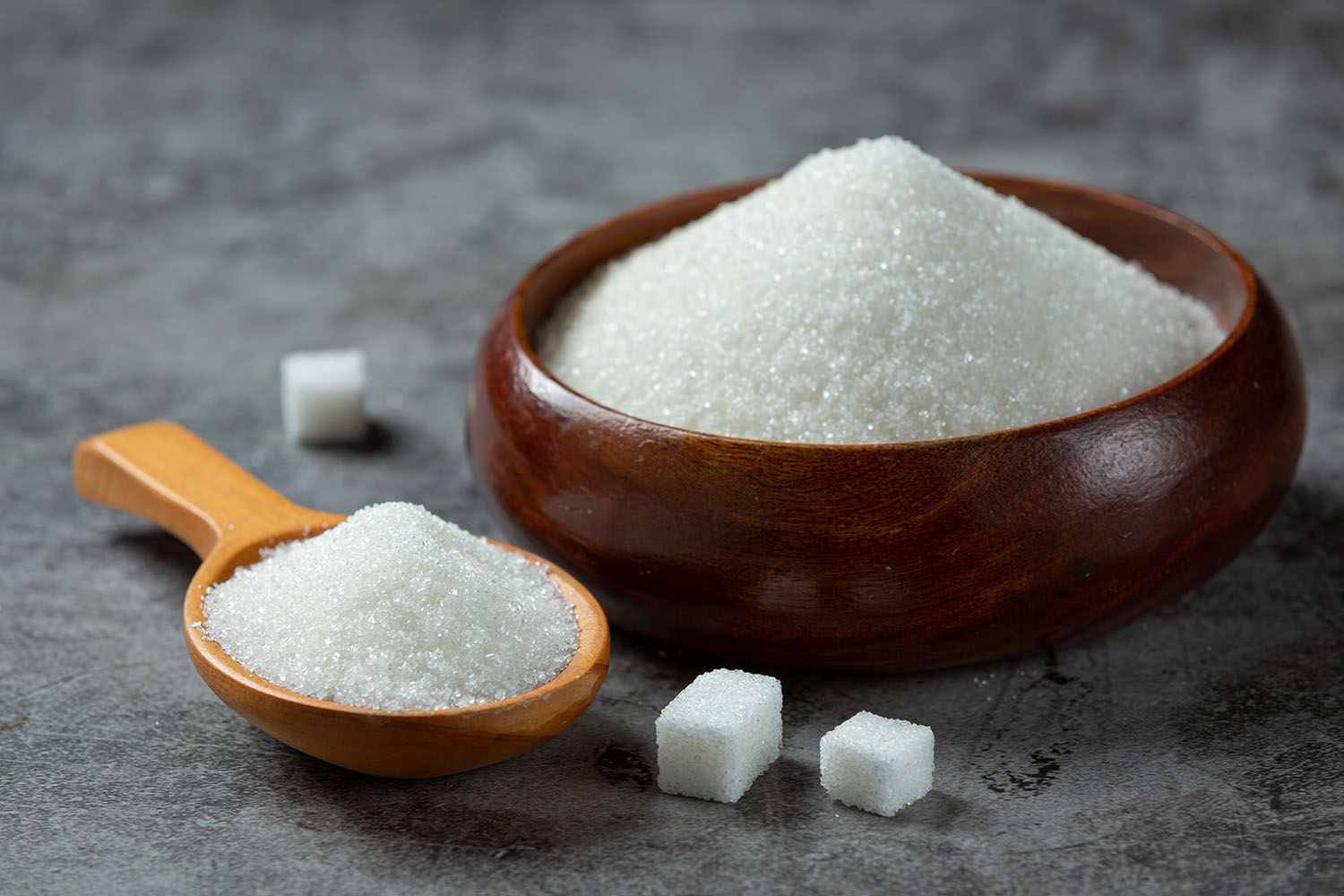
In confectionery manufacturing, granulated sugar is used most often. It must be free-flowing, dry, white, and glossy — with no foreign odor or aftertaste.
